
The Rhythm of the Spheres
Reading the Night Sky
Wandering in Astronomy
The night sky is the oldest pattern of man, and every culture reads it differently. The stars above keep silent time, moving to a rhythm we are just now beginning to understand. Astronomy is where math, science, art, music, and words meet in a wondrous collision. In this section of our site, learn the basics of astronomy: from how a star chart is made, to projections and art that map the night sky, to how an astrolabe works just like it did thousands of years ago. Watch the North Star shift across centuries, explore how one sky has been mapped by many traditions, read what happened on this day in space, and see tonight’s moon for your location.
Map the Stars
The math behind star charts, with a projection explorer and a working astrolabe.
The Moving Sky
How the sky shifts across centuries, with a precession clock you can run.
The Traditions
One sky reads many ways, with a same-sky overlay of the world’s constellations.
This Day in the Stars
The sky’s events, discoveries, and lore tied to today’s date.
The Moon Tonight
Its phase and face, drawn live for where you’re standing.
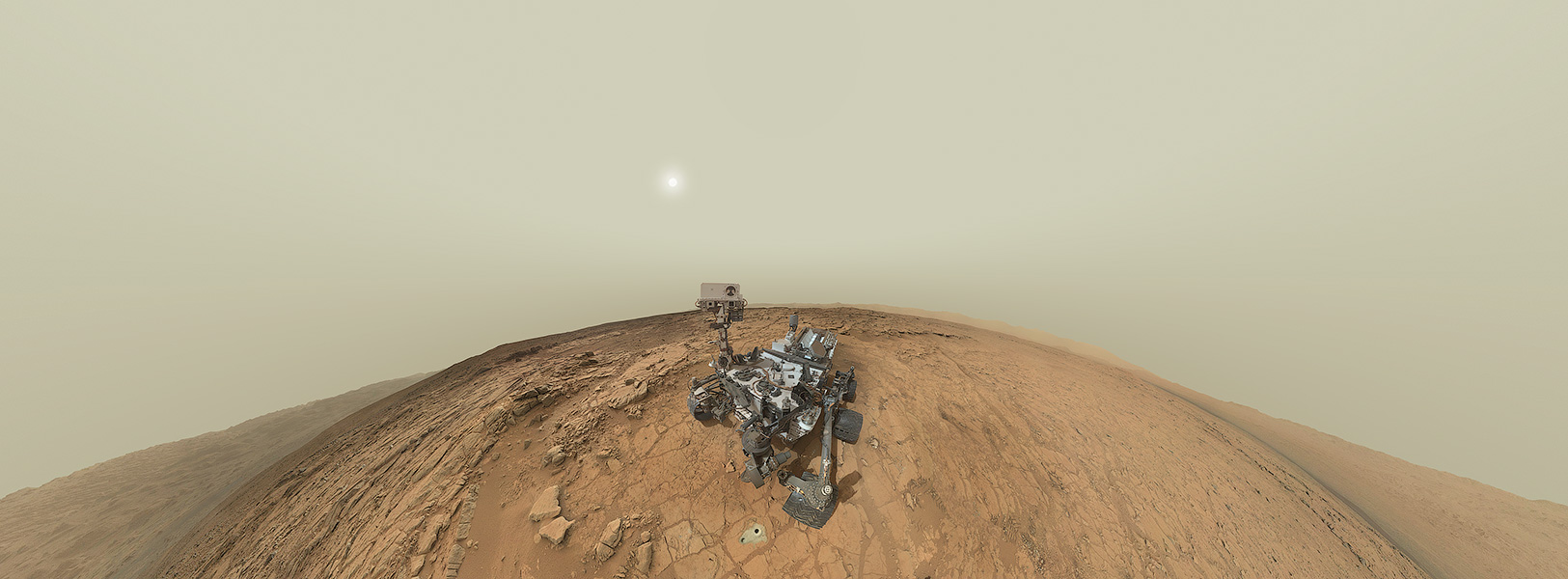
Curiosity Self-Portrait Panorama

Customized Star Charts Coming 1st Quarter 2027
We respect your privacy. Unsubscribe at any time.
The Sky Today on Saturday, August 29: Double star Zeta Lyrae
Looking for a sky event this week? Check out our full Sky This Week column. August 28: Vesta stands still You may have heard of Epsilon (ε) Lyrae, the famous Double Double star in the constell…
ReadThe progress of a Blood Moon
Philippe Moussette from Saint-Agapit, Quebec During the night of Aug. 27/28, 2026, the Moon passed nearly fully through Earth’s umbra in a partial lunar eclipse, turning a coppery red. This photo…
ReadCast your vote to name Virgin Galactic’s next spaceplane
Virgin Galactic on Friday extended the deadline for the public to name one of its next-generation spaceplanes, giving space enthusiasts until Thursday to cast their votes. Virgin Galactic, whi…
ReadNancy Grace Roman Space Telescope launches Sunday!
The launch of the Nancy Grace Roman Space Telescope is scheduled for Sunday morning, August 30, from the Kennedy Space Center. More here.
ReadNASA telescope honors Nancy Grace Roman, architect of space-based astronomy
The Nancy Grace Roman Space Telescope is set to launch this weekend aboard a SpaceX rocket from Kennedy Space Center in Florida. When it becomes operational early next year, it will transform our v…
ReadBest eclipse photos! Nearly total lunar August 27-28
EarthSky community photos of the lunar eclipse of August 27-28, 2026. Thanks to all who submitted eclipse photos!
ReadMeet a Saturn-sized exoplanet with Earth-like temperatures
TOI-199b is a warm Saturn-sized exoplanet 330 light-years away. New observations by the Webb space telescope show there is methane in its atmosphere.
ReadWill new telescope Roman help reveal long-kept secrets of the universe? Q&A with an expert
On Sunday, Aug. 30, the Nancy Grace Roman Space Telescope is expected to launch from NASA's Kennedy Space Center in Florida. The observatory will join the Hubble Space Telescope, launched in 1990, …
ReadASTRID traces 13.5 billion years of black hole and galaxy evolution
In dark skies at night, distant starlight twinkles and speaks to vast cosmic histories almost as old as time itself. New data from instruments such as NASA's James Webb Space Telescope are helping …
Read