
The Rhythm of the Spheres
Reading the Night Sky
Wandering in Astronomy
The night sky is the oldest pattern of man, and every culture reads it differently. The stars above keep silent time, moving to a rhythm we are just now beginning to understand. Astronomy is where math, science, art, music, and words meet in a wondrous collision. In this section of our site, learn the basics of astronomy: from how a star chart is made, to projections and art that map the night sky, to how an astrolabe works just like it did thousands of years ago. Watch the North Star shift across centuries, explore how one sky has been mapped by many traditions, read what happened on this day in space, and see tonight’s moon for your location.
Map the Stars
The math behind star charts, with a projection explorer and a working astrolabe.
The Moving Sky
How the sky shifts across centuries, with a precession clock you can run.
The Traditions
One sky reads many ways, with a same-sky overlay of the world’s constellations.
This Day in the Stars
The sky’s events, discoveries, and lore tied to today’s date.
The Moon Tonight
Its phase and face, drawn live for where you’re standing.
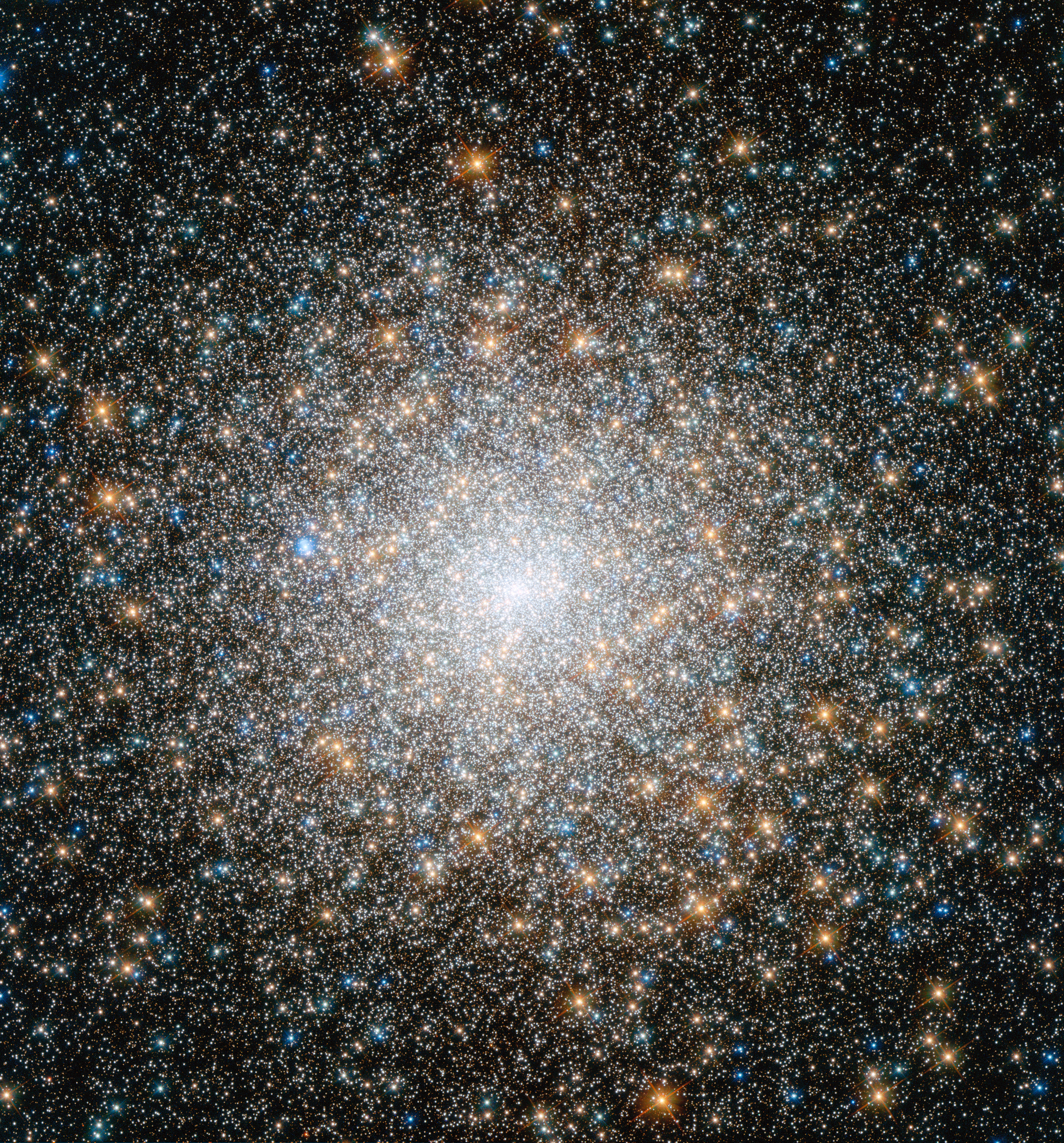
Globular Cluster M15 from Hubble

Customized Star Charts Coming 1st Quarter 2027
We respect your privacy. Unsubscribe at any time.
Sept. 20, 2016: Spotting a supernova shock breakout
On Sept. 20, 2016, Victor Buso was testing a new camera in his rooftop observatory. An amateur astronomer from Rosario, Argentina, Buso shot a series of images of spiral galaxy NGC 613, which is ab…
Read6th batch of Pentagon UAP files: Air Force talk and more
The 6th batch of the Pentagon UAP files has just been released. Read about a U.S. Air Force talk on UAP from 1952, see more videos and more.
ReadSun news: Quiet sun with a stormy outlook later this week
Sun news September 20, 2026: The sun is taking a breather with only faint flares. But a coronal hole stream due September 23 could bring a G1 storm.
ReadVisible planets and night sky guide for September
Visible planets and night sky guide: This week, look for the September equinox and — on September 26 — the Harvest Moon. Venus is still bright, too. See a video.
ReadThe Sky Today on Sunday, September 20: Juno’s movement
Looking for a sky event this week? Check out our full Sky This Week column. September 19: Mars meets Pollux Now is the best time to catch 145-mile-wide 3 Juno as it passes through a…
ReadSept. 19, 1959: A SETI kickstart
On Sept. 19, 1959, the paper “Searching for Interstellar Communications” was published. Printed in the respected scientific journal Nature and written by Cornell University physicists Giuseppe …
ReadHubble spots an out-of-sync galaxy
Though the spiral galaxy in this new image from the NASA/ESA Hubble Space Telescope seems serene, it hides a chaotic secret. This galaxy is NGC 4698, and it lies about 55 million light-years away i…
ReadFrom the start, the solar system chose fire over ice to build its first bodies
When the solar system first took up the task of building solid bodies—such as planets, moons and protoplanets—it basically had a choice between two ingredients: heat-forged chondrules, which we…
ReadTime is running out to catch a giant planet's strange orbit
A team of researchers, including those from the University of Tokyo, spotted a rare kind of planet that's unusually hot and eccentric. TOI-1355 b orbits its star, TOI-1355, which is also much hotte…
Read