

The Rhythm of the Spheres
Reading the Night Sky
Wandering in Astronomy
The night sky is the oldest pattern of man, and every culture reads it differently. The stars above keep silent time, moving to a rhythm we are just now beginning to understand. Astronomy is where math, science, art, music, and words meet in a wondrous collision. In this section of our site, learn the basics of astronomy: from how a star chart is made, to projections and art that map the night sky, to how an astrolabe works just like it did thousands of years ago. Watch the North Star shift across centuries, explore how one sky has been mapped by many traditions, read what happened on this day in space, and see tonight’s moon for your location.
Map the Stars
The math behind star charts, with a projection explorer and a working astrolabe.
The Moving Sky
How the sky shifts across centuries, with a precession clock you can run.
The Traditions
One sky reads many ways, with a same-sky overlay of the world’s constellations.
This Day in the Stars
The sky’s events, discoveries, and lore tied to today’s date.
The Moon Tonight
Its phase and face, drawn live for where you’re standing.
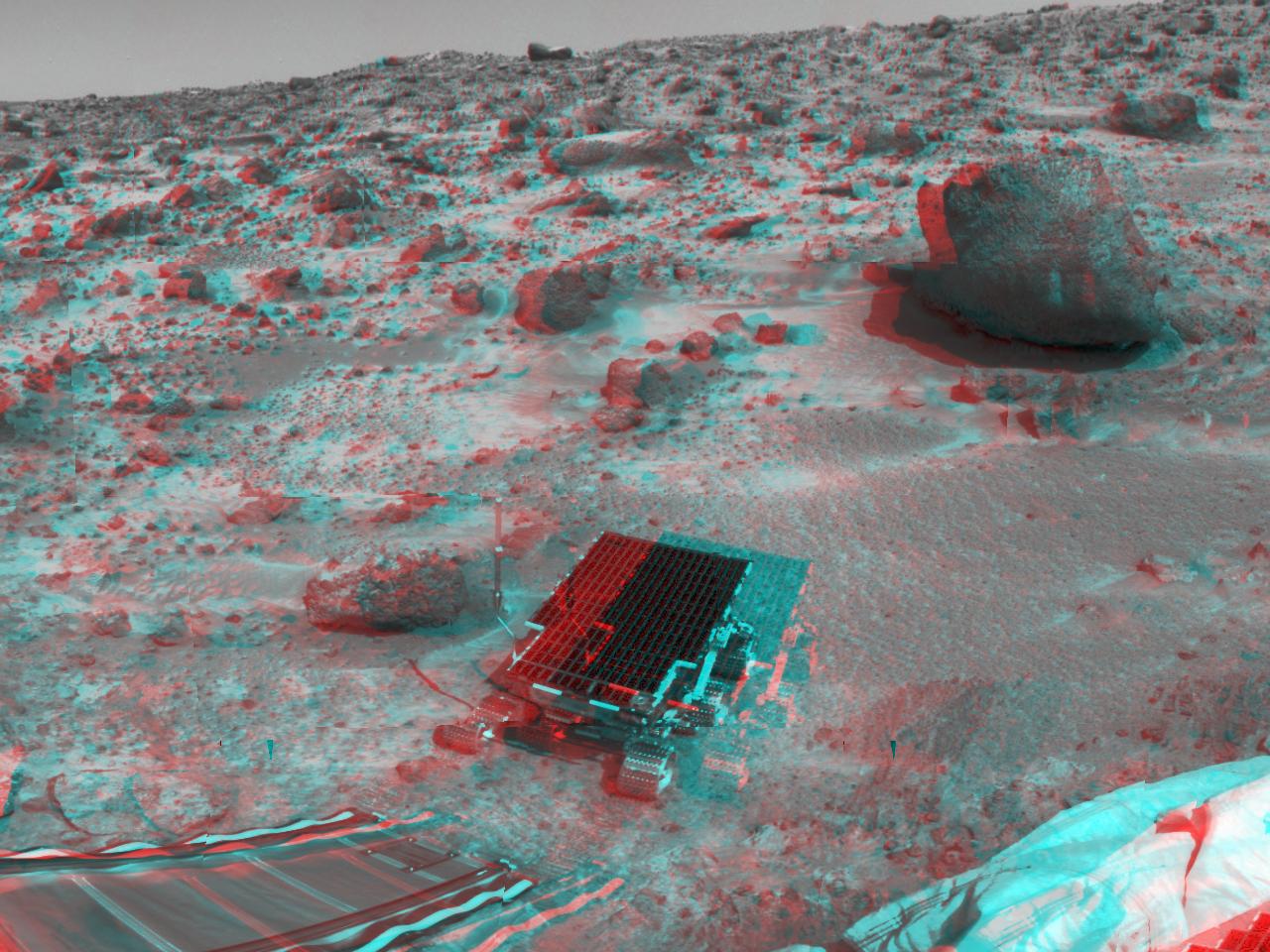
Yogi and Friends in 3D

Customized Star Charts Coming 1st Quarter 2027
We respect your privacy. Unsubscribe at any time.
2026 Full Moon calendar: When to see the Full Moon and phases
The phenomenon of a Full Moon arises when our planet, Earth, is precisely sandwiched between the Sun and the Moon. This alignment ensures the entire side of the Moon that faces us gleams under sunl…
ReadNov. 11, 1875: The birth of V.M. Slipher
Vesto Melvin Slipher was born on a farm in Mulberry, Indiana, on Nov. 11, 1875. He graduated from high school, taught briefly at a country school, and then enrolled at Indiana University in Bloomin…
ReadVisible planets and night sky guide for November
Visible planets and night sky guide: Watch our video to discover the Leonid meteor shower’s spectacular history, what to expect in 2026, and how to catch the show!
ReadThis active asteroid has grown a tail! What happened?
Active asteroid 1995 BJ4 has grown a cometlike tail, leaving astronomers wondering what’s happening.
ReadA runaway star speeds in an unusual direction
A runaway star moves faster and in a different direction from the general stream of stars in our Milky Way Galaxy. Why?
ReadThe Sky Today on Wednesday, November 11: Venus comes to a halt
Looking for a sky event this week? Check out our full Sky This Week column. November 10: Seek Saturn’s two-toned moon Venus reaches a stationary point among the stars of Virgo at …
ReadEarliest known compact quasar pair poses a black hole growth puzzle
The oldest pair of compact quasars ever observed has been found only 900 million years after the Big Bang. Scientists say there is no theoretical explanation for how the pair of actively feeding bl…
ReadHow the cosmic environment depletes galaxies of their gas
An international team of researchers, led by Jonathan Freundlich (University of Strasbourg, Astronomical Observatory), has revealed how a dense cosmic environment depletes galaxies of their gas. By…
ReadWebb's controversial 'little red dots' may finally have an explanation
Astronomers may have solved one of the biggest mysteries uncovered by NASA's James Webb Space Telescope (JWST), using sophisticated simulations to show that enigmatic objects known as "little red d…
Read