The Moving Sky: How Star Charts Map a Curved Sky
The moving sky above our head
Above our heads, the dark skies slowly change in appearance. We might think they are eternal and still because the cycle is not apparent to the eye, but in truth they move in an unending rhythm. What we see is not what our great-grandparents saw, and it is definitely not what the ancients saw. Like a top, Earth wobbles on its axis, completing an entire great cycle every 26,000 years. That wobble affects our view of the sky. The wobble is so slow we cannot feel it, but it is wide enough that the pole star changes. Polaris is our pole star now, but for the Egyptians who built the pyramids it was Thuban, and Vega will come after Polaris.
This is why there are two addresses for the stars. Fix your coordinates to the seasons and you get one set. Fix them to the stars themselves and you get another. The gap between them grows by a degree every 72 years. On this page we look at how the poles have wandered, why the zodiac no longer matches the constellations behind it, and how the planets wander against a background that is itself in motion.
The Wandering North Star
Watch the wanderings of the North Star through epochs of time.
The North Star
Why the stars aren’t where your ancestors saw them, the North Star won’t always be north. Earth wobbles, and skies turn.
Sidereal vs. Tropical
Two valid ways to fix a star’s position, one tied to the seasons and one to the stars, and the slowly widening gap between them.
Lahiri Ayanamsa
Modern Indian astronomy needed one exact number to separate the two zodiacs. This is how it was selected
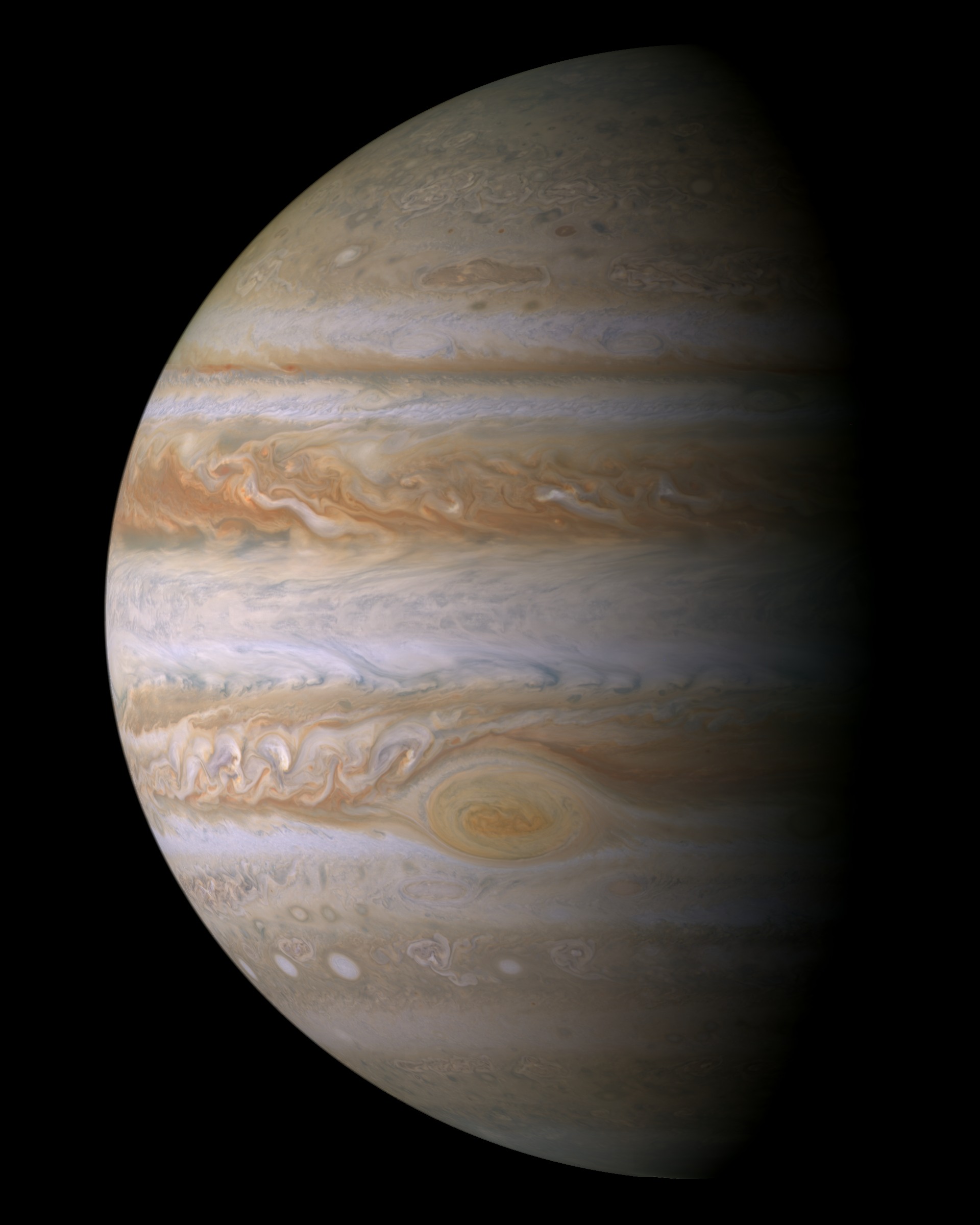
Wandering Planets
The five wandering lights the ancients tracked by eye and how to find tonight’s planets in your own sky.